Designing the Perfect Personalized Fresh Boxes: A Step-by-Step Guide
Constructing custom produce boxes requires a strategic method. Professionals must consider environmental impact, functionality, and aesthetics. Choosing the right materials is vital for preserving quality and supporting eco-friendly practices. Additionally, dimensions and form can significantly affect ease of use and shipping efficiency. Impactful graphics enhance brand recognition, while thorough testing guarantees strength. Understanding these components will discover key insights into producing standout packaging strategies that resonate to consumers. What comes next is essential to reaching those goals.
Choosing the Right Components for Custom Produce Boxes
When determining materials for custom produce boxes, it is important to evaluate both practical use and sustainability. The type of material substantially shapes the box's wear resistance, weight, and ability to protect the contents. Common materials comprise corrugated cardboard, which offers strength and is able to be reused, making it a popular choice for environmentally conscious businesses. Biodegradable options, such as molded pulp or plant-based plastics, also correspond with eco-conscious practices while providing ample protection for delicate produce.
Moreover, moisture resistance is indispensable for maintaining freshness, driving some producers to investigate treated materials or particular protective applications. The visual charm of the box deserves consideration, since branding and visual presentation can shape buyer perspective. Ultimately, the appropriate material should balance between protecting the produce, engaging consumers, and adhering to environmental standards, ensuring both functionality and sustainability are prioritized within the development procedure.
How to Pick Size and Shape for Functionality?
When deciding on the form and dimensions of custom produce boxes, careful assessment of produce measurements is essential for effective storage. Additionally, considerations for movement and transportation can impact the box design, ensuring ease of movement. Optimizing shelf space usage further enhances functionality, allowing for efficient display and storage.
Assess Produce Dimensions Carefully
Assessing the right size and shape for access now vegetable boxes is fundamental for workflow efficiency. Thorough measurement of product dimensions is indispensable, as it validates that items fit snugly without surplus room that could lead to damage during logistics and storage. Custom boxes need to support assorted configurations, from delicate berries to heavy vegetables, while maintaining structural integrity. Furthermore, the height and width of the boxes should facilitate stacking and organization, optimizing space in storage areas. A well-designed box not only shields the produce but also enhances visual appeal for consumers. To sum up, careful consideration of dimensions assists in reducing waste and advancing buyer experience in the supply chain.
Consider Handling and Transport
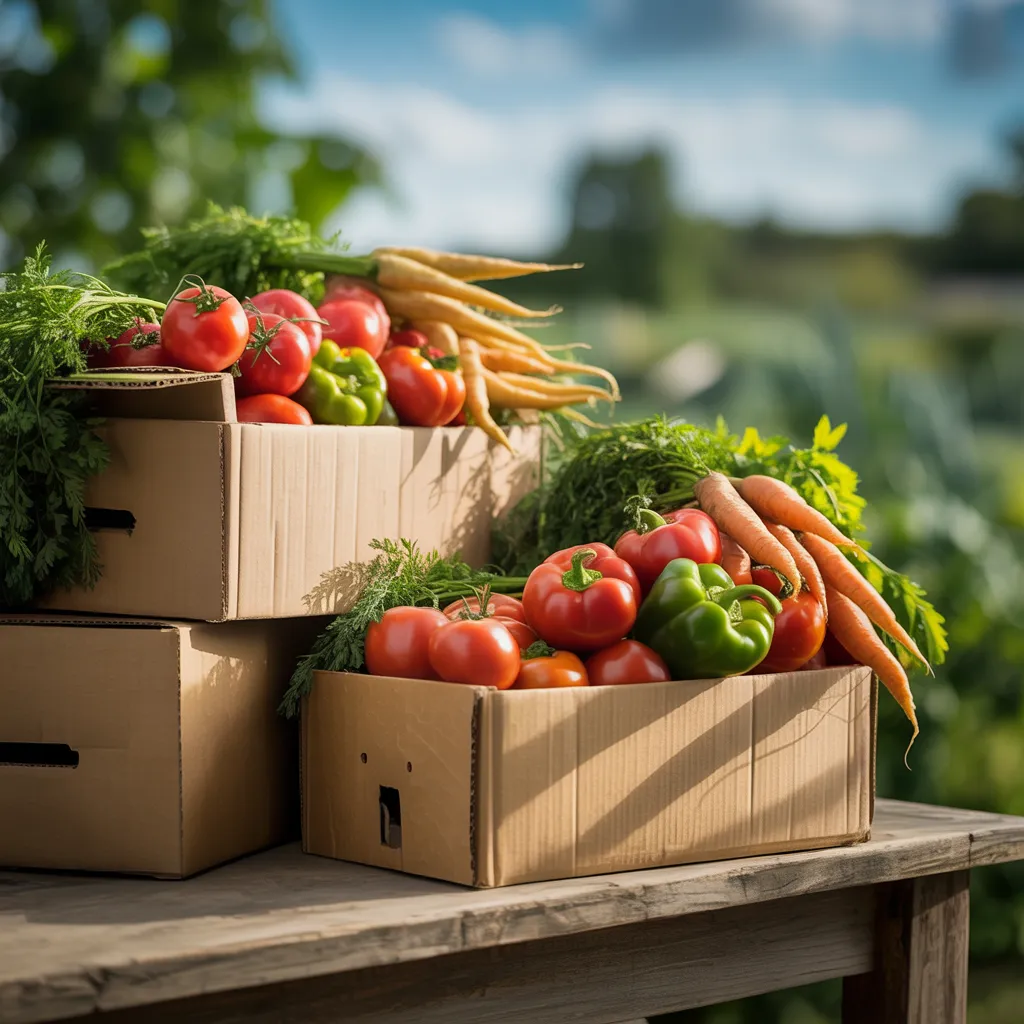
Handling and transport aspects have a significant part in defining the appropriate dimensions and shape of custom produce containers. The measurements need to accommodate the items without excessive space, which could cause shifting and damage during transport. Smaller, compact boxes facilitate simpler handling, while big containers might be necessary for bulkier products. Also, thoughtful design is important; handles or access should get deliberately situated in order to enable easy hoisting plus carrying. The form relating to the box equally affects stacking with stability, guaranteeing that goods remain secure. Ultimately, careful consideration regarding these factors enhances the productivity of transport, minimizes product waste, while supports the overall soundness concerning the produce beginning at field toward buyer.
Improve Shelf Space Management
Proper shelf space usage is determined by selecting the best measurements and configuration of custom produce boxes. Professionals should review the proportions of the display racks as well as the types of foodstuffs being maintained. Rectangular boxes often advance space efficiency, facilitating for improved arrangement and fitting. However, distinctive shapes can amplify attractive appearance but may produce excess space if not well planned.
It's vital to assess the merchandise movement rate; slow-turning items might benefit from smaller, conveniently accessible containers. In addition, incorporating flexible or customizable structures can accommodate varying product dimensions while optimizing shelf layout. By centering on visual appeal combined with practicality, businesses can develop a functional and visually striking display that boosts both product accessibility and visibility.
How to Make Graphics That Seize Focus?
Compelling graphics can reshape a simple custom produce box into a beautiful showcase that attracts attention. To achieve this, designers should start by picking a color combination that reflects the freshness and brightness of the produce. Luminous, captivating colors can awaken feelings of freshness and wellbeing, motivating consumers to take a further look.
Bold typography remains equally important; readable typefaces can effectively communicate essential information while enhancing design attractiveness. In addition, using superior photographs of the goods can create an immediate connection, showcasing the product's quality and compelling potential buyers.
Furthermore, incorporating distinctive visual elements and patterns can help set apart the brand in a busy market. Alignment in graphic components, such as logos and taglines, reinforces brand identity. Ultimately, a blend of creativity and clarity in graphic design can greatly elevate the power of custom produce boxes, making them gain attention on shelves.
Sustainable Practices for Custom Produce Box Protective Covering
A mounting number of firms are taking up environmentally responsible practices for custom produce box packaging, appreciating its relevance in today's ecologically aware market. These practices often include the use of degradable materials, such as recycled paper and plant-based plastics, which minimize environmental impact. Companies are also focusing on sustainable sourcing, ensuring that materials are obtained from responsibly managed forests or suppliers who copyright environmental stewardship.
Furthermore, numerous brands are going with minimalist designs that minimize waste while still efficiently promoting their products. This method not only resonates with eco-aware consumers but also assists in lowering production costs. Moreover, businesses are progressively applying efficient manufacturing processes that limit energy consumption and waste generation. By incorporating these sustainable practices, companies not only enhance their brand image but also contribute positively to the planet, aligning their operations with a sustainable future.
Assess Your Bespoke Produce Box Design
Evaluating the design of specialized fruit containers is a vital stage in verifying they meet both visual and functional requirements. This method generally entails reviewing factors like resilience, size, and ease of use. First, prototypes should be built to test the container's build quality, ensuring it is able to endure delivery and warehousing without harming the contents.
Afterwards, usability reviews can be done to figure out how readily the boxes can be opened, latched, and stacked. Opinions from likely users can be invaluable in this juncture, presenting perspectives into the box's practical application.
Additionally, the design's visual appeal should be examined through focus groups or surveys, gauging consumer feedback to brand design elements, color palettes, and total visual presentation.
In the end, comprehensive evaluation enables designers to improve the box, guaranteeing it not only appeals to customers but also adequately protects and displays the produce within, striking the right balance between form and function.
Advertising Your Custom Produce Boxes Effectively
Effective marketing of personalized produce boxes necessitates a strategic approach that underscores their distinctive advantages and value. Organizations must prioritize identifying their intended customers, whether they are local farms, grocery stores, or individual consumers. Taking advantage of social media platforms can amplify brand awareness, showcasing the boxes' design and practicality through compelling visuals and storytelling.
Furthermore, teaming up with community leaders and farm operators can boost reputation and widen reach. Presenting offers or price reductions during seasonal peaks can pull in initial customers and foster customer loyalty.
Furthermore, promoting environmental sustainability and green values in promotional messaging can appeal to sustainability-focused buyers. Presenting detailed information about the materials used and the benefits of bespoke packaging designs can further set apart the brand in a saturated marketplace.
Ultimately, a thorough marketing strategy that combines web-based and community-based efforts will effectively promote custom produce boxes, attracting a heterogeneous clientele and driving sales.
Common Questions Posed Often
What Expenses are Involved in Custom Produce Box Customization?
Costs related to custom produce box design include raw materials, printing, workforce expenses, and shipping. Additionally, design work and production minimums can impact overall costs, leading to different prices based on particular needs and manufacturing volume.
What Length of time Is Required to Manufacture Custom Boxes?
The manufacturing of custom boxes typically takes between two to six weeks. Factors affecting this schedule include intricacy of design, materials availability, and production capacity, all of which can affect shipping timelines and turnaround periods.
Can I Purchase a Limited Quantity of Custom Produce Boxes?
Yes, small volumes of custom produce boxes can usually be ordered. Many merchants deliver minimum order quantities, allowing businesses or individuals to obtain customized packaging solutions without needing to obligate to large quantities to start.
What Frequent Mistakes Must Be Prevented in Made-to-Order Box Design?
Common mistakes in custom box design include failing to address functionality, ignoring brand consistency, underestimating material quality, overlooking target audience preferences, and neglecting environmental impact. Each aspect is critical for effective packaging and customer satisfaction.
How Do I Verify That My Boxes Comply with Food Safety?
To confirm boxes are food-safe, one needs to select materials certified for food contact, steer clear of toxic inks and adhesives, copyright cleanliness during production, and regularly test for compliance with health regulations and safety standards.